
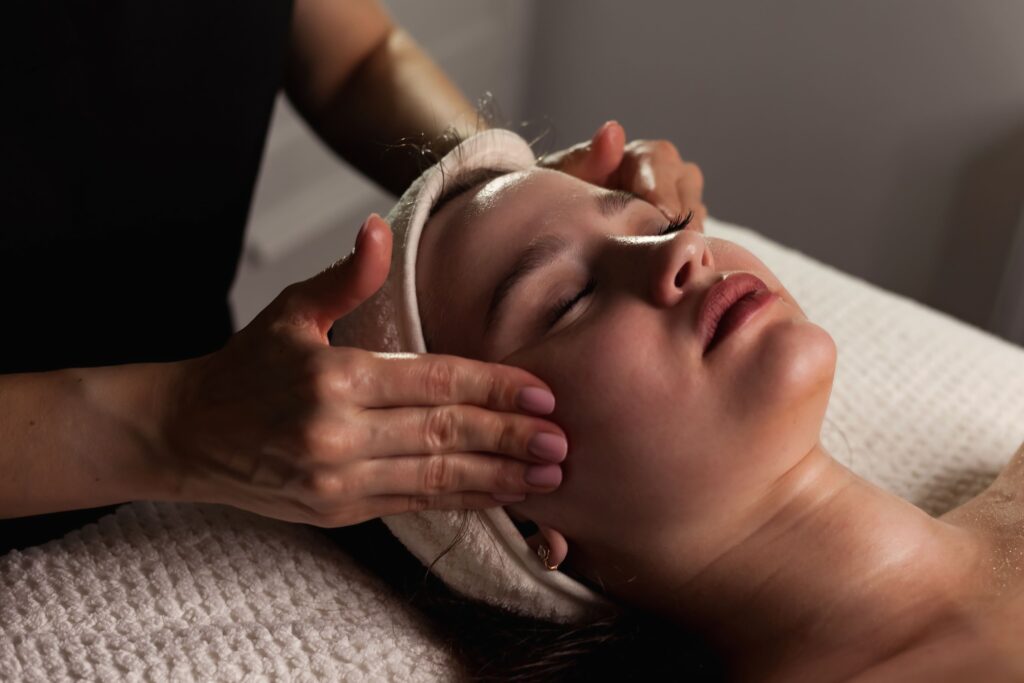
Choosing a facial treatment can feel overwhelming, especially when different spas describe their services in different ways. If you are considering a Bojin facial treatment in Singapore, it helps to understand what the session involves, what it is intended to address and how to decide whether a particular provider is right for you.
Bojin is commonly presented as a traditional Chinese-inspired wellness treatment that uses specialised massage techniques and tools to work on areas of the face, jaw and neck. As a non-medical spa service, it is generally positioned around relaxation, facial tension and the temporary appearance of puffiness or dullness. It is not a medical treatment and should not be expected to diagnose or treat health conditions.
A good starting point is with your own expectations. Are you hoping to unwind, ease the feeling of tension around your jaw, or enjoy a treatment as part of your regular personal care routine? Once you know what you are looking for, you can assess whether a spa’s treatment description, techniques and stated scope match your needs.
This guide explains what to look for before booking a Bojin facial or another non-medical spa treatment in Singapore.
Key Takeaways
- Evaluate a Bojin facial based on your personal goals rather than marketing claims alone.
- Understand whether the treatment focuses on relaxation, facial massage or temporary improvements in skin appearance.
- Check the provider’s treatment scope, staff training and hygiene practices before booking.
- Share relevant skin sensitivities and health concerns with the provider before your appointment.
- Be cautious of claims promising permanent facial changes or medical results from a non-medical spa service.
What a Bojin Facial Treatment Involves
A Bojin facial usually involves a sequence of preparation and massage techniques. The exact approach can differ between providers, so check what is included before booking.
Understanding the typical steps can help you decide whether a treatment matches your expectations.
- Consultation. The therapist may ask about your main concerns, skin sensitivities, recent procedures and any relevant skin conditions. This gives them an opportunity to understand your needs and discuss whether adjustments to pressure or products may be appropriate.
- Cleansing and preparation. The face is cleansed to prepare the skin for the treatment. Depending on the spa’s approach, a suitable massage product may be applied to help the tools or hands move comfortably over the skin.
- Massage with specialised tools. Some treatments use tools such as jade or gua sha stones, while others may use a horn tool. The therapist applies controlled strokes to areas of the face, jaw and neck. The experience is generally intended to encourage relaxation and ease the feeling of facial tension.
- Targeted facial massage. The therapist may spend additional time around the cheeks and jawline. These techniques are sometimes described as contouring or firming massage, but they should be understood as appearance-focused spa techniques rather than methods that permanently change facial structure.
- Focused work on areas of tension. Some providers incorporate slower, more targeted massage around areas where clients commonly experience tightness. Practitioners may describe this using traditional wellness terms, but it should not be confused with a medical treatment for underlying conditions.
- Mask and finishing care. A facial mask or finishing skincare products may be applied, depending on the treatment. The session may end with simple aftercare recommendations.
Not every Bojin facial follows the same sequence. If a provider offers a particular tool, technique or finishing step, ask what it is used for and whether it is included in the treatment you are booking. A good explanation should be clear and easy to understand.
How to Evaluate Whether a Bojin Facial Suits Your Needs
Before comparing spa providers, take a moment to think about what you want from the session. A treatment may sound appealing, but that does not necessarily mean it is the right fit for your needs.
Use these points as a starting guide.
- Identify your main concern.
Are you looking for a relaxing experience, attention to areas of facial tension, or a temporary improvement in the appearance of puffiness or dullness? Being specific makes it easier to compare treatments.
- Consider your time and budget.
Check how long the session takes and whether the cost fits your budget. Think about how often you would realistically be able to attend, rather than committing to a series of sessions before you know how you respond.
- Take note of sensitivities and relevant conditions.
Consider whether you have sensitive skin, an active skin concern or a recent facial procedure. Share relevant information with the provider, and seek advice from a qualified healthcare professional if you are uncertain whether massage or pressure-based techniques are appropriate for you.
- Match your concern to the treatment description.
Read what the Bojin facial is designed to involve. Check which tools are used, how the massage is performed and whether the provider can explain the purpose of each technique.
- Be cautious of unclear or exaggerated claims.
A provider should be able to describe its service and what clients can reasonably expect. Be wary of promises involving permanent lifting, guaranteed facial reshaping or medical-grade results.
A conventional facial and a Bojin facial may both offer a relaxing experience, but their approaches can be different.
Conventional facial | Bojin facial |
Often focuses on cleansing and skincare products | Typically places greater emphasis on massage techniques and specialised tools |
May include exfoliation, masks and product application | May include targeted massage around the face, jaw and neck |
Often selected for general skincare needs | Often selected for a massage-focused wellness experience |
Neither is automatically better. The more useful question is which treatment approach is appropriate for your preferences and expectations.
Understanding Wellness Language and Medical Claims
When researching Bojin and other traditional Chinese-inspired spa treatments, you may come across terms such as qi, meridians and blood flow. These terms are part of traditional wellness frameworks and may be used by practitioners to explain how they approach a treatment.
Under Singapore’s healthcare regulations, non-licensed beauty and wellness businesses must not advertise services as treating or curing diseases or medical conditions. Bojin facial treatments should therefore be described as non-medical wellness or personal care services, without unsupported medical claims.
It is helpful to distinguish between traditional wellness descriptions and established medical claims.
Wellness-focused descriptions may refer to:
- How relaxing the session feels
- The massage techniques used
- The areas of the face receiving attention
- The temporary appearance or comfort-related effects clients may notice
Medical claims may suggest that a treatment can:
- Diagnose, prevent or treat a health condition
- Repair damaged tissue
- Produce permanent physical changes
- Replace medical care or professional treatment
A non-medical spa treatment should not be presented as a substitute for medical care. If you have a health concern, persistent skin problem or unexplained discomfort, consult an appropriately qualified healthcare professional.
For a general explanation of complementary health approaches and how they differ from conventional medical care, you can refer to the National Center for Complementary and Integrative Health.
Questions to Ask Before You Book
A little preparation can make your booking experience much more comfortable. You do not need to know every detail of the treatment, but you should feel confident that the provider can explain what it involves.
Before paying for a session, consider asking:
Question | What to Check |
What training or experience does the therapist have? | Ask about their experience with Bojin facial treatments and the techniques they use. |
What hygiene practices are followed? | Check how tools, treatment surfaces and linens are cleaned or changed between clients. |
Can the treatment be adjusted for sensitive skin? | Ask whether massage pressure and product choices can be adapted to your needs. |
How long is the session, and what is included in the price? | Confirm the treatment duration, total cost and any additional charges. |
What aftercare should I follow? | Ask what products or activities to avoid after treatment and what to do if irritation occurs. |
Pay attention to how the provider responds. You should be able to get straightforward answers without feeling pressured to purchase a package or add-on treatment.
What to Expect: Benefits, Limitations and Aftercare
When researching Bojin facial benefits, it is important to understand what the treatment may offer and what it cannot guarantee. While some people enjoy the relaxing massage and notice temporary improvements in facial puffiness or appearance, results vary depending on individual response.
As with any spa treatment, it is best to keep expectations realistic.
Benefits and Limitations at a Glance
What to Expect | What You Should Know |
Relaxation | The massage may feel relaxing and provide an opportunity to unwind. |
Reduced puffiness | Some people may notice temporarily less facial puffiness after a session. |
Facial appearance | You may notice a temporary difference in how your face looks or feels. |
Facial lifting | Claims of permanent lifting are not guaranteed. |
Wrinkle reduction | There is insufficient reason to assume the treatment can remove wrinkles. |
Collagen production | Claims of increased collagen production should be supported by appropriate evidence. |
Structural changes | A Bojin facial should not be expected to permanently change facial structure. |
These experiences vary from person to person. A responsible provider should explain what the treatment is intended to offer without guaranteeing results.
How Often Should You Have a Bojin Facial?
There is no single treatment frequency that is right for everyone. It depends on the techniques used, your preferences, your skin’s response and your budget.
If you are new to Bojin, consider starting with one session to see how you feel before committing to a treatment package.
Aftercare and Possible Side Effects
Follow your provider’s aftercare advice, particularly if the session involves more intensive massage or pressure.
If you experience any of the following, stop using the service and seek medical advice:
- Persistent redness
- Stinging or irritation
- Swelling
- Prolonged skin sensitivity
Who Should Seek Advice Before Booking?
Consult an appropriate healthcare professional before booking if you:
- Have an existing skin condition.
- Are pregnant.
- Have recently undergone a facial procedure.
- Are unsure whether pressure-based facial massage is suitable for you.
Taking these precautions can help you make a more informed decision about whether a Bojin facial is right for you.
Choosing a Bojin Facial Provider in Singapore
Choosing a Bojin facial treatment in Singapore is easier when you know what you are looking for. If you are searching for the best MTM Bojin facial treatment in Orchard, consider your main goals, whether that is relaxation, attention to facial tension or simply making time for a personal care routine.
Look beyond the treatment name. Find out what techniques and tools are used, check the provider’s staff training and hygiene practices, and understand the cost and package terms before committing.
Most importantly, keep your expectations realistic. A non-medical spa treatment may offer a pleasant experience and temporary changes in comfort or appearance, but it should not be viewed as a medical procedure or a guarantee of permanent results.
To learn more about Bojin facial treatments, visit Free Skin & Body Perfect to explore its services and approach to personal care.
Frequently Asked Questions
What is a Bojin facial, and is it right for me?
A Bojin facial is a traditional Chinese-inspired wellness treatment that uses specialised tools and massage techniques. It may suit those looking for facial massage and relaxation, but it is not a medical treatment.
How many Bojin facial sessions should I book?
Start with one session to see how your skin responds before committing to a package. There is no standard number of sessions suitable for everyone.
Can I have a Bojin facial if I have sensitive skin?
Inform your therapist about your skin sensitivities before the session. If you have an active skin condition or persistent irritation, consult a healthcare professional before booking.
Is a Bojin facial the same as a gua sha facial?
No. Although both may use massage tools, their techniques, tools and treatment sequences can differ depending on the provider.
Can a Bojin facial permanently lift or reshape my face?
No permanent lifting or reshaping is guaranteed. Some people may notice temporary changes in facial puffiness, but results vary.
