
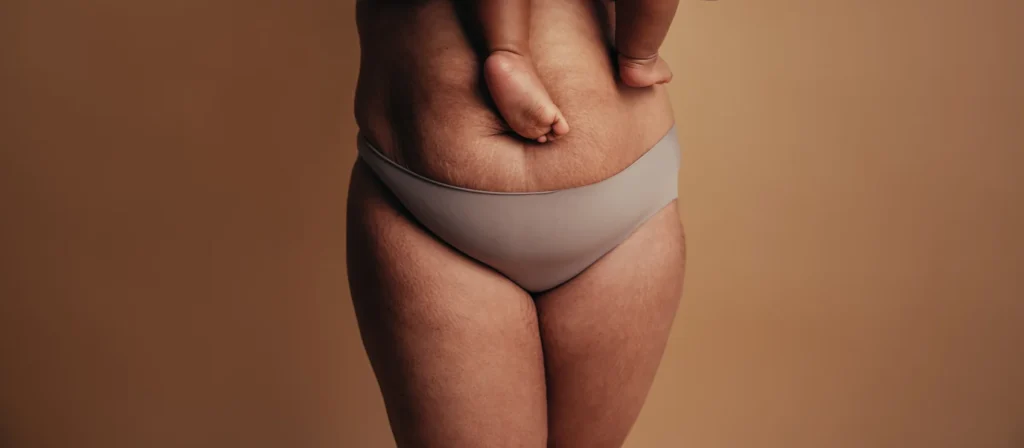
Many new mothers notice changes in their body shape after giving birth, such as wider hips. This can be distressing, especially when trying to return to pre-pregnancy size or even to feel comfortable in old jeans.
Fortunately, postpartum hips can be corrected to an extent. With a safe recovery plan and realignment techniques, you can improve hip structure, support core muscles, and restore balance in your body.
In this article, we’ll explore how pregnancy and childbirth affect the pelvic joints and hip muscles, why your hips may feel wider, and what you can realistically do to recover using a holistic postnatal body reset therapy approach that aligns with pelvic restoration principles.
Key Takeaways
- Postpartum hip widening is real and measurable. Hormonal ligament laxity, pelvic joint mobility, and soft-tissue stretching naturally change pelvic alignment during pregnancy and childbirth.
- You can correct postpartum hips that become wider than before to a meaningful degree, not by shrinking bones but by realigning the pelvis, restoring core stability, and releasing soft-tissue tension.
- A combined approach works best. Myofascial release, deep core activation, posture correction, and supportive device-based methods reinforce each other for safer, longer-lasting results.
- Recovery takes time and varies for every mother, so focus on functional strength, symmetry, and comfort rather than returning to an exact pre-pregnancy shape. Also, celebrate small improvements along the way.
Why Do Hips Seem Wider After Pregnancy?
If your hips seem wider after pregnancy, you’re not imagining it. Your body truly undergoes structural changes to support pregnancy and childbirth.
Hormones, Ligaments & Pelvic Laxity
During pregnancy, your body releases hormones like relaxin that loosen ligaments. This loosening is essential. It allows the pelvic bones and joint structures to adjust and create space for the growing baby and, eventually, for childbirth. However, increased joint laxity can lead to significant changes in pelvic alignment.
A longitudinal study measured women’s pelvic widths (the distance between specific pelvic landmarks) at different pregnancy stages and again 1 month after childbirth. It found that the anterior width of the pelvis increases throughout pregnancy and, importantly, remains wider than at earlier pregnancy stages one month postpartum.
Structural Changes & Asymmetry
Pregnancy doesn’t just widen the pelvis; it can also cause pelvic asymmetry or imbalance. Research shows that as pregnancy progresses, both the anterior and posterior pelvic widths increase, and left-right differences in pelvic tilt can develop. Such asymmetries may persist even after birth, leading you to feel that your hips are misaligned or “off.”
Postpartum Joint Mobility & Pain
In some cases, women experience pelvic girdle pain (PGP) during and after pregnancy. This is often linked to increased motion (or “hyper-mobility”) in the pelvic joints — for example, the pubic symphysis or sacroiliac joints. During delivery or shortly after, CT studies have even documented widening of the pubic symphysis or sacroiliac joints.
Pelvic joint changes are therefore a real, measurable part of postpartum recovery — not just “in your head.”
Pelvic Floor & Soft Tissue Factors
Beyond the bones, the soft tissues (fascia, muscles, and pelvic floor) also change. Ligaments become more lax, and pelvic floor muscles can stretch, especially during vaginal delivery. These tissues may take time to regain tone, which influences the hip structure and how “wide” your pelvis feels.
What Is Realistic: Can Postpartum Hips Widening Be Corrected?
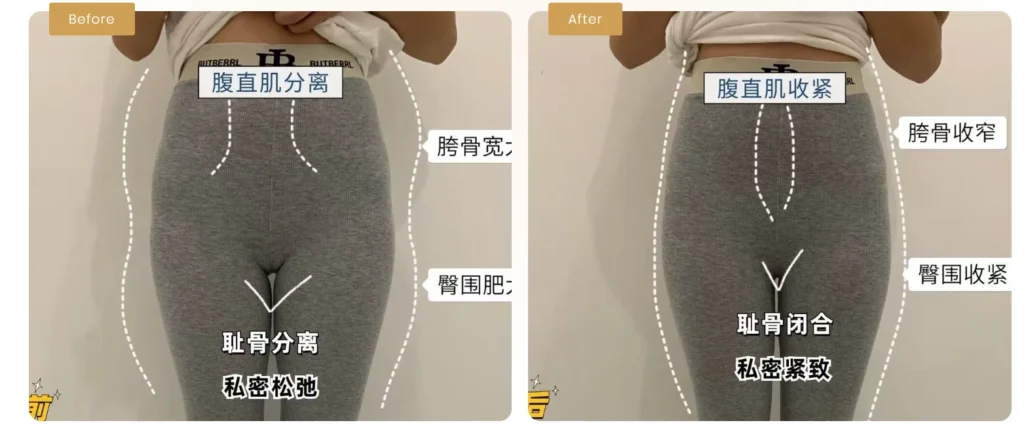
The short answer: yes — but with important caveats. Research shows that some pelvic alignment changes can persist in the short- to mid-term, making complete reversal unlikely.
Instead of “shrinking the bones,” correction focuses on realigning the pelvis, restoring balance, and strengthening the surrounding soft tissues to encourage a more natural position.
While certain structural shifts may be permanent, many women can still achieve better function, improved symmetry, and a more comfortable posture with the right recovery approach.
Main Goals of Pelvic Restoration
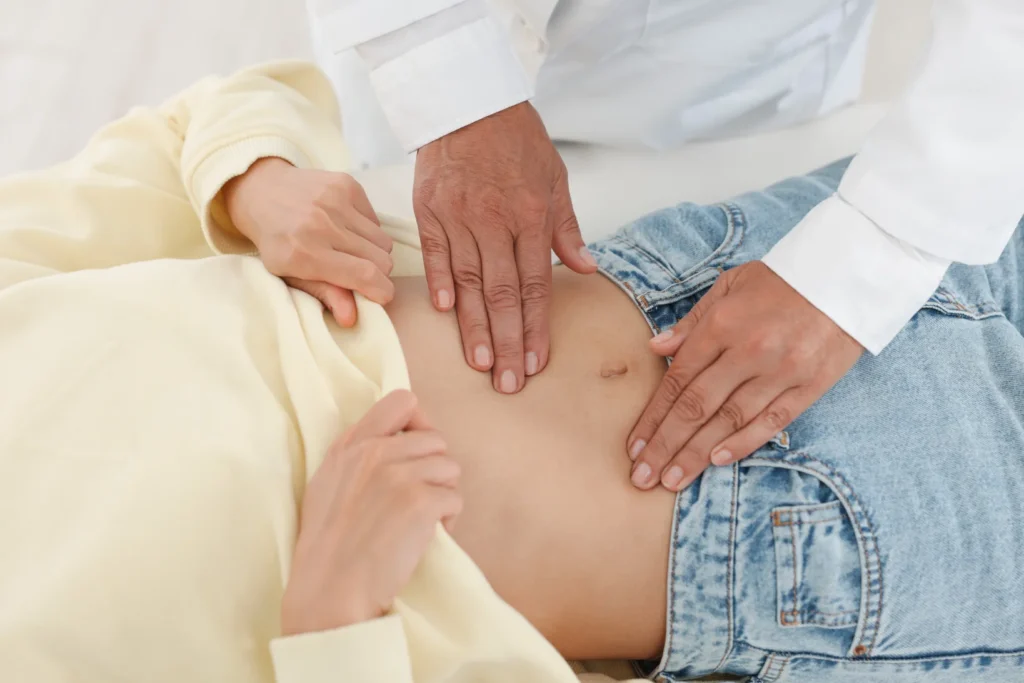
To address postpartum hip widening, a focused “pelvic restoration” or postnatal body reset therapy can be very effective.
Here are four core goals for recovery, closely aligned with what many postpartum wellness practitioners recommend:
- Correct Pelvic Misalignment / Opening & Closing: Improves left–right balance, reduces excessive pelvic tilt, and restores more symmetrical bone alignment.
- Restore Core Muscles & Rectus Abdominis Strength: Reactivates deep core muscles, helps resolve diastasis recti, and enhances abdominal tone to reduce belly protrusion.
- Improve Blood Circulation & Metabolism: Boosts circulation in the pelvis and hips, supports pelvic floor recovery, and relieves stiffness in surrounding muscles.
- Body Shaping & Hip Lifting: Defines the waist, lifts the lower body, and enhances overall proportions for a more balanced silhouette.
Common Postpartum Pelvic Restoration Methods
Here’s a breakdown of four categories of recovery methods, aligned with pelvic restoration philosophy.
Manual Osteopathy / Structural Adjustment
Skilled therapists (e.g., osteopaths, chiropractors) use hands-on techniques, such as pushing, pulling, pressing, to adjust bone alignment. The goal is to guide the pelvic bones toward a more closed, symmetrical position.
Pros:
- Immediate, noticeable changes
- Can help with misalignment that feels “stuck”
Cons:
- Results may rebound because soft tissues (fascia, ligaments) are still under tension
- Requires multiple sessions
- If done improperly, it could cause discomfort or strain
Best For:
- Women with apparent skeletal misalignment
- Significant pelvic opening or pain
Myofascial Rebalance Method (Recommended)
This method doesn’t force bones directly. Instead, it releases tension in the fascia and deep soft tissues, allowing the body’s structure to realign over time gently.
How It Works:
- Fascia and deep muscles are gently “softened” via specific manual techniques, gentle stretches, or clinical therapy
- Once tension is released, the pelvic bones can naturally move toward better alignment
- Improved blood flow and metabolism contribute to longer-lasting results because the body gradually rebalances
Pros:
- Safe and gentle
- Addresses root causes, not just structural symptoms
- Less risk of “rebound” than forceful bone pushing
Best For:
- Postpartum women (especially those with mild to moderate pelvic opening)
- Women whose misalignment comes from soft-tissue tension, not just bone
Core Muscle Restoration Training (Deep Muscle Activation)
Use targeted exercises and breathing techniques to strengthen the deep core (transverse abdominis, pelvic floor, diaphragm).
Why It Matters:
- A strong core supports the pelvis and encourages natural “closure”
- Core strength helps restore posture, reduces lower-back pain, and improves functional movement
Recommended Work:
- Diaphragmatic breathing + deep core engagement
- Pelvic floor (Kegel) exercises
- Gentle core activation routines (bridges, heel slides, etc.)
Best When Combined With:
- Myofascial methods (to release soft tissue first)
- Device-assisted treatments (if available) for deeper activation
Device-Assisted Methods (Used in Clinics)
In many postpartum or wellness centres (especially beauty clinics or dedicated postpartum centres), device-assisted therapies supplement manual and exercise-based work:
- Thermo-magnetic / Radiofrequency: Warms tissue, boosts circulation, softens fascia
- Bio-microcurrent / EMS (electrical muscle stimulation): Activates deep core muscles
- Vacuum / Negative Pressure Devices: Help loosen fascia, reduce stagnation, and “draw in” soft tissue
- Fascia-Release Tools: Specifically designed to target tension in connective tissue layers
Note: These technologies can support and accelerate recovery, but they rarely “close the pelvis” on their own. The soft-tissue release + muscle training must work in tandem.
Safe At-Home Techniques for Postpartum Hip Realignment
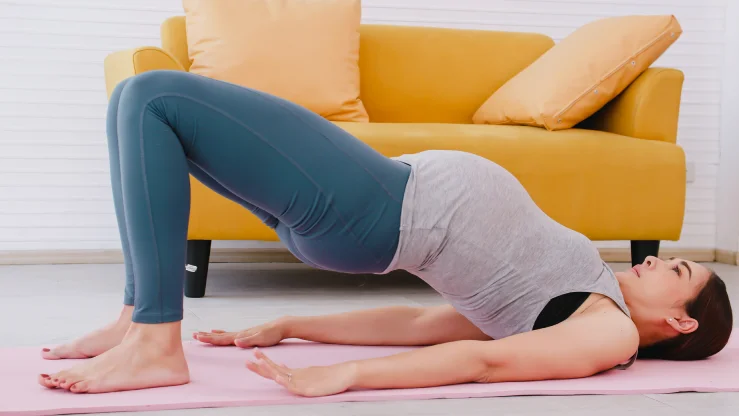
While professional therapy is ideal, there are practical, simple exercises and habits that new moms can do at their own pace to support pelvic realignment and recovery.
Pelvic Tilts
- Posterior pelvic tilt (lying): Lie on your back with knees bent, feet flat. Gently tilt your pelvis backwards so your lower back flattens against the floor, then release.
- Standing pelvic tilt: With feet hip-width apart, push your pelvis forward (anterior tilt), then gently tuck it under (posterior tilt), using your core muscles.
These tilts help strengthen core muscles and reduce excessive anterior/posterior pelvic tilt.
Diaphragmatic Breathing + Core Engagement
- Lie down or sit comfortably.
- Breathe deeply into your belly (diaphragm), feeling it rise and fall.
- As you exhale, gently engage your transverse abdominis (the “deep core”) and pelvic floor, then relax.
This technique re-establishes the connection between breathing, core muscles, and pelvic stability.
Glute Bridge (with optional ball squeeze)
- Lie on your back, knees bent, feet flat.
- Engage your core, squeeze your glutes, and lift your hips into a bridge.
- (Optional) Place a small ball or pillow between your knees and gently squeeze — this helps align the hips, engage inner thigh muscles, and promote pelvic closure.
Hip Flexor & Piriformis Stretch
- Kneel on one knee (or lie on your back), gently stretch forward to lengthen the hip flexors.
- For piriformis: cross one ankle over the opposite knee and gently draw the knee toward your chest to stretch the deep glute/hip area.
These stretches reduce soft-tissue tension that may be “pulling” the pelvis out of alignment.
Posture & Habit Corrections
- Be mindful of how you carry your baby: alternate sides, avoid always leaning to one hip, and support your posture.
- When walking, emphasise a heel-to-toe gait and engage your core.
- While sitting, use a supportive chair or cushion, and avoid slouching; maintain an upright posture.
When to Seek Professional Help
Although many women can recover significantly on their own, there are times when expert help is strongly recommended:
- Persistent pelvic or hip pain, especially more than a few months after birth
- Noticeable asymmetry (left-right imbalance) or pelvic “pop” / instability
- Diastasis recti (separation of the abdominal muscles) that remains wide or painful
- Numbness, tingling, or nerve-related symptoms
- Difficulty walking, lifting the legs, or performing daily life tasks
- Previous traumatic birth, huge baby, or complicated delivery
- Desire for structured postpartum recovery with a pelvic floor physical therapist, osteopath, or myofascial specialist
Realistic Timeline & Expectations
Understanding your body’s recovery timeline can help manage expectations and guide your self-care plan:
Phase | What’s Happening | What You Can Do |
0–6 Weeks Postpartum | Hormones (like relaxin) are still active; ligaments are very lax; pelvis may feel “loose” | Gentle breathing, pelvic tilts, very light core activation, walking, posture awareness |
6–12 Weeks | Soft tissue starts to recover; initial core work becomes safer; realignment slowly begins | Add glute bridges, light stretching, more consistent posture work, and very gentle myofascial release |
3–6 Months | Deeper core muscles strengthening; fascia becomes more pliable; alignment potential increases | Combine core training, myofascial techniques or therapy, and device-assisted recovery (if available) |
6–12+ Months | Many women see the most lasting improvements: bones, muscles, and fascia gradually adapt | Continue targeted exercise, maintenance PT or therapy, posture work, and long-term habits |
Important: Not all changes will fully “go back to normal.” Some widening or change in hip structure may remain, especially in the short term. But with consistent work, many women achieve meaningful realignment, more functional core support, and improved body shape.
Additional Tips for Postpartum Hip Recovery
- Wear supportive underwear or a pelvic belt: Clinical studies have shown that pelvic belt use during and after pregnancy may help reduce pelvic asymmetry and support joint stability.
- Be patient and go at your own pace: Your body has gone through big changes (weight gain, ligament laxity, posture shifts). Recovery is a journey, not a race.
- Nutrition & blood flow: Good nutrition, hydration, and gentle activity help improve blood flow to the pelvic region, supporting fascia health and metabolism.
- Mind your body shape mindset: It’s unrealistic (and unhealthy) to expect to return to pre-pregnancy pelvis size exactly. Instead, aim for functional recovery, symmetry, and strength.
- Check with your healthcare provider: Always talk to your OB-GYN, midwife, or a pelvic floor specialist before starting an exercise or alignment program, especially if you had complications during birth (e.g., c-section, pubic symphysis separation).
Real-Life Considerations & Emotional Well-Being
Many new mothers grapple with stress or disappointment about postpartum body changes, especially when comparing themselves to their pre-pregnancy shape. Instead of focusing solely on “getting back to normal,” it can be more empowering to reframe recovery as building a stronger, more balanced body for this new chapter of life.
Emotional well-being matters just as much as physical healing. Self-care, rest, and support from partners, therapists, or postpartum groups can make the process feel lighter and more manageable.
And along the way, celebrating small wins, such as improved posture, less hip stiffness, better core control, or simply feeling more like yourself again, helps reinforce progress and confidence.
Recover Safely from Postpartum Wider Hips
Postpartum hips can be corrected to a meaningful degree. Through a thoughtful, safe recovery plan that includes myofascial release, deep core activation, posture realignment, and possibly device-assisted support, many women can reshape and rebalance their bodies after childbirth.
While you might not return to exactly the same size your hips were before pregnancy, you can work toward a stronger, more aligned, and more functional body.
The journey of postpartum recovery is deeply personal: go at your own pace, be kind to yourself, and prioritise both your physical and emotional well-being as you embrace life with your new baby.
Ready to support your postpartum recovery? Discover tailored postnatal body reset therapies at Free Skin & Body Perfect to help restore alignment, strength, and confidence.
Resources:
- Effectiveness of a prenatal Pilates program on ligamentous laxity and joint hypermobility (Bulguroglu et al., 2025).
- Neuromusculoskeletal disorders in pregnancy revisited (Jt Dis Relat Surg, 2025)
- Pregnancy-Related Hip and Pelvis Musculoskeletal Conditions (Leung et al., 2025)
- Changes in pregnancy-related hormones, neuromechanical factors, and lumbopelvic pain (Daneau et al., 2025)
