
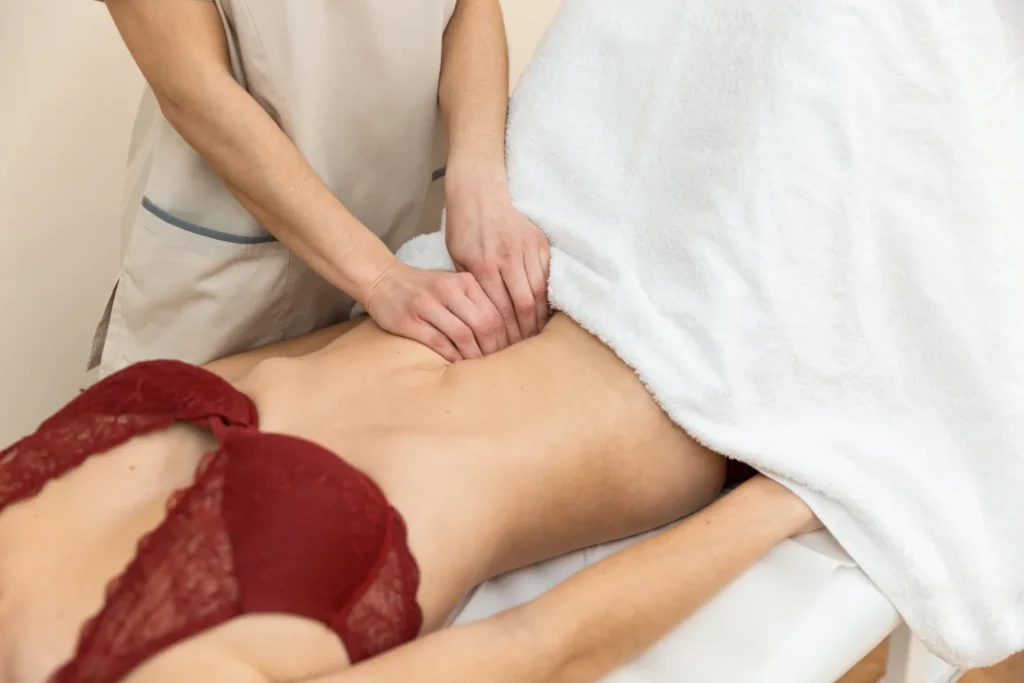
Diastasis recti is a common postpartum condition that affects the abdominal muscles, particularly the rectus abdominis, causing a visible separation along the linea alba. Many women notice a noticeable bulge in the abdominal area, a weak core, or poor posture during the postpartum period.
This article will help you understand the healing process, effective recti natural treatment, and what you can expect weeks, months, and even up to a year postpartum.
What is Diastasis Recti?
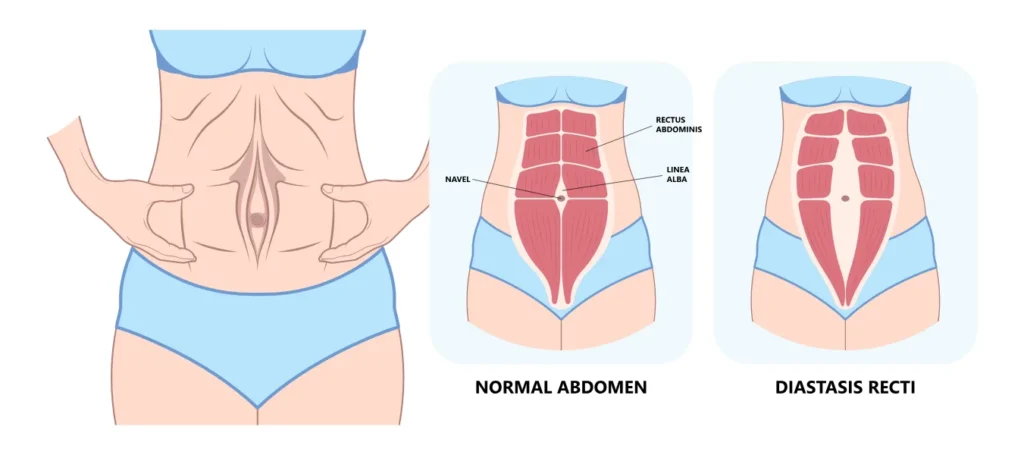
Diastasis recti refers to the separation of the rectus abdominis muscles, often caused by the stretching of the abdominal wall during pregnancy. This separation can lead to:
- Weak core muscles
- Back pain and hip pain
- Urinary incontinence
- A visible abdominal gap or an abdominal wall forward appearance
The condition occurs when the six-pack muscles move apart, stretching the linea alba, a connective tissue that runs down the midline of the abdomen.
The pelvic floor muscles often weaken together, leading to issues such as incontinence or discomfort during daily activities.
Symptoms of diastasis recti can include:
- Noticeable bulge along the midline of the abdomen
- Weak core or inability to engage the ab muscles
- Back pain, poor posture, or hip pain
- Feeling of instability when lifting, bending, or performing everyday movements
Risk factors include multiple pregnancies, cesarean section, large babies, chronic straining, or poor body mechanics during pregnancy. Traditional practices across cultures, such as prolonged lying down postpartum, may also contribute to delayed physical recovery.
Why Recovery Timelines Vary
Recovery timelines for diastasis recti vary widely due to several individual factors. The severity of the abdominal gap, number of pregnancies, type of delivery, tissue elasticity, and muscle tone all influence healing.
Consistency with corrective exercises, lifestyle habits such as posture and daily body mechanics, and underlying pelvic floor or hip issues can further affect recovery speed.
As a result, there’s no exact timeline, though physical therapy, postpartum recovery therapy, and other natural treatments can help promote more efficient healing.
Natural Treatments for Diastasis Recti
Natural treatments aim to restore the rectus abdominis, improve core stability, and strengthen the pelvic floor muscles. These options avoid diastasis recti surgery unless the condition is severe or associated with a hernia.
Physical Therapy and Postpartum Recovery Therapy
Physical therapy focuses on gentle corrective exercises to strengthen the abdominal muscles and pelvic floor. These include:
- Pelvic tilts with knees bent
- Double leg lifts with feet flat
- Gentle pelvic floor exercises (Kegels)
- Diaphragmatic breathing to engage deep core muscles
- Avoiding crunches or sit-ups, which can worsen the abdominal gap
A postpartum care plan often incorporates ongoing monitoring to track improvements in abdominal separation and core strength.
Bracing and Support
Abdominal binders or support garments help reduce muscle tension and promote proper body mechanics. These devices may alleviate symptoms of diastasis but should be used in conjunction with an exercise program for long-term results.
Lifestyle and Everyday Movements
Avoid chronic straining while lifting, coughing, or doing birth recovery exercises. Correct posture during everyday movements. Gentle abdominal area mobilisation, herbal remedies, or traditional practices can complement a structured exercise regime, although the evidence is mixed.
Myofascial Rebalancing Therapy
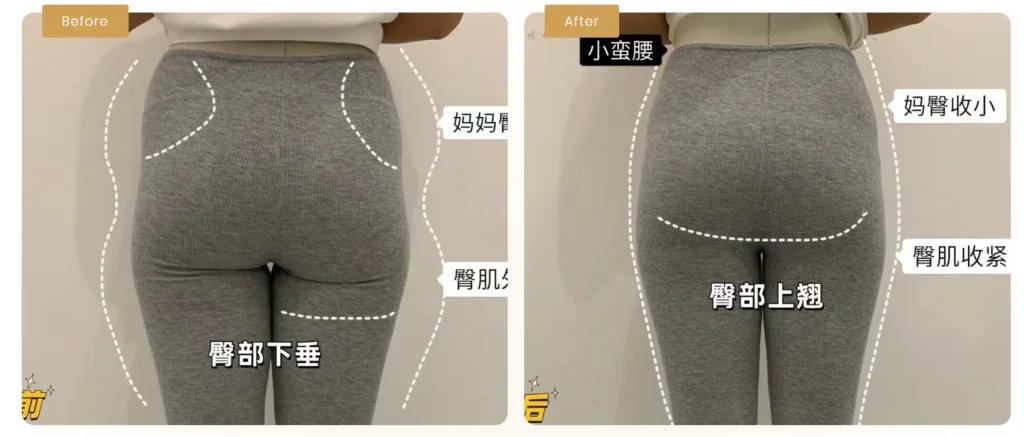
For women seeking faster, hands-on recovery, Myofascial Rebalancing Therapy offers a professional, non-invasive approach.
How it works:
- Releases and restructures deep fascia, allowing soft tissues to regain elasticity
- Brings the pubic bone and rectus abdominis back together naturally
- Promotes core stability, improved abdominal wall alignment, and a slimmer, firmer waistline
Procedure & Timeline:
- Initial hands-on session by a certified specialist (~2 hours)
- 2–3 follow-up consolidation sessions ensure stable results
- Works even outside the postpartum period, making it suitable for all women
Key Benefits:
- Restores pelvic balance and core alignment
- Closes abdominal separation safely
- Improves posture and pre-pregnancy state
- Non-invasive, gentle, and long-lasting
While traditional exercises take weeks to months, specialised therapy can produce visible improvement in hours, complementing postpartum recovery therapy and physical therapy programs.
Recovery Timeline: What to Expect
Even with natural diastasis recti treatments, the healing process is gradual. Here’s a general timeline:
Postpartum Phase | Recovery Focus / Key Actions |
0–6 Weeks | Gentle movements & pelvic floor exercises, posture correction, avoid crunches/sit-ups, begin core stability |
6–12 Weeks | Supervised corrective exercises, pelvic tilts, monitored abdominal gap, and joined postnatal support |
3–6 Months | Strengthen core, ease in daily movements, continue diastasis recti healing, consider additional treatments if needed |
6–12+ Months | Most achieve full recovery, with abdominal separation reduced, and surgery is only performed if severe diastasis persists. |
When to Seek Professional Help
Recovery from diastasis recti can vary widely, and certain warning signs indicate the need for professional evaluation.
If the abdominal gap persists beyond six months postpartum, it may suggest that natural healing alone is insufficient. Similarly, experiencing pain, urinary incontinence, or pelvic floor dysfunction can signal underlying issues that require targeted intervention.
Signs of hernia or severe muscle tension also warrant immediate attention, as these conditions can complicate recovery and affect core stability.
Consulting a healthcare provider or a pelvic floor physical therapist is essential to developing a proper treatment plan tailored to individual needs, ensuring a safe and effective postpartum recovery.
Tips to Promote Healing
Supporting your postpartum recovery means taking a gentle, structured approach that promotes healing. Follow these simple steps:
- Follow a safe exercise program and exercise regimen
- Avoid crunches or sit-ups until cleared
- Incorporate gentle movements, pelvic tilts, and core stability exercises
- Maintain blood circulation and muscle tone through everyday movements
- Use support groups or postpartum care programs to track progress
Safe exercises, prioritising core stability, and staying connected to support programs can enhance healing, maintain strength, and track your progress effectively.
Diastasis Recti Natural Treatments Help
Healing diastasis recti requires patience, consistency, and a structured treatment plan. Most women see improvement weeks postpartum, with significant recovery months postpartum, and a return to pre-pregnancy state within a year.
Whether using corrective exercises, natural treatments for diastasis recti, or specialised Myofascial Rebalancing Therapy, you can regain control, alleviate pelvic floor issues, and restore core muscles.
Start your postpartum recovery journey today with expert-guided therapies at Free Skin & Body Perfect, and regain core strength, pelvic support, and confidence safely.
References
- Physiopedia. Diastasis Recti Abdominis (Abdominal Separation). https://www.physio-pedia.com/Diastasis_Recti_Abdominis
- Cleveland Clinic: Diastasis Recti — Diastasis Recti (Abdominal Separation). https://my.clevelandclinic.org/health/diseases/22346-diastasis-recti
- Verywell Health. Treating Diastasis Recti With Physical Therapy. Link
- PubMed Central. Rehabilitation of Diastasis Recti Abdominis. https://pmc.ncbi.nlm.nih.gov/articles/PMC11372501/
